A restaurant’s social media is not a noticeboard. It is where people decide whether to walk in, and almost everything done badly there comes from five beliefs the industry has repeated for years without questioning.
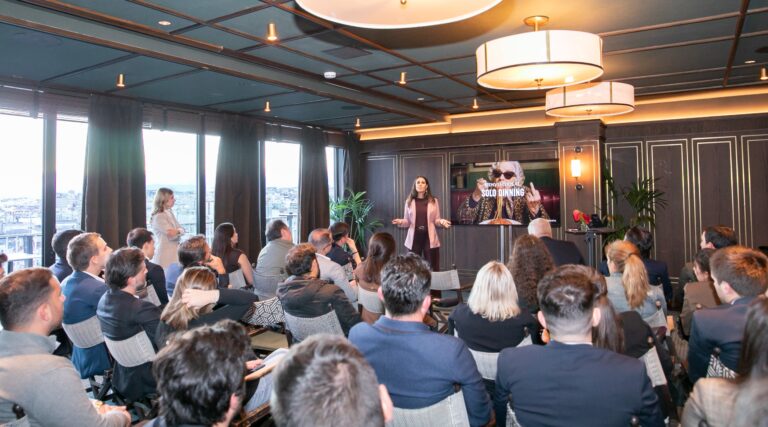
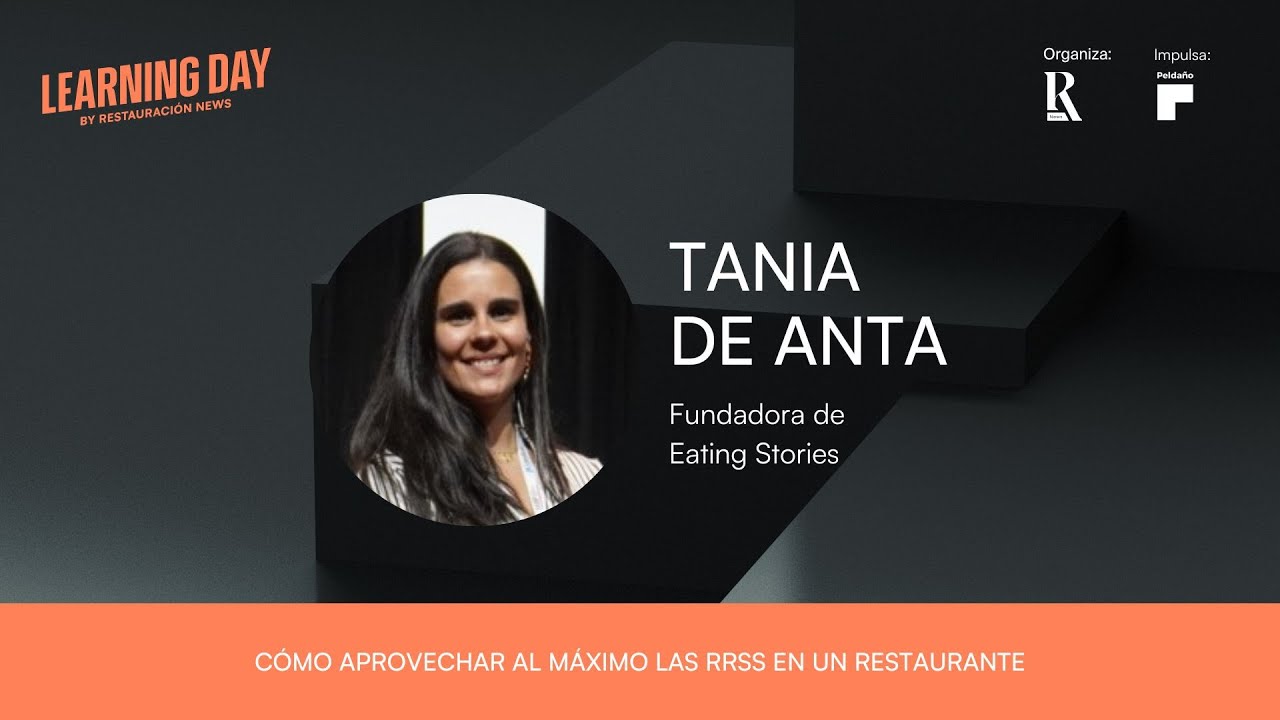
This began as a twenty minute talk at the Learning Day by Restauración News, and it is collected here in full because the questions afterwards were better than the talk. It is about getting real value out of a restaurant’s own channels, and about the myths almost all of us fall for while managing them.
Myth 1 — Social media is an advertising channel
It is, but only if you choose to use it as a poster. And a poster does not answer back. The difference between a channel that sells and one that does not is that it works in both directions: people ask about opening hours, allergens, whether there is a terrace, whether they can bring children. Every one of those questions is a half-made booking, and every reply that takes two days is a booking lost.
Posting is the easy part and the least profitable. What moves the needle is answering — direct messages, comments, reviews, including the bad ones. A restaurant that replies within minutes looks like a restaurant that takes care of people, because it probably is.
Myth 2 — Social media is a separate universe
It is not. It is one more point in an experience that starts on a phone and ends at a table, which is exactly why we talk about omnichannel. The real path is usually: see a video, open the profile, search the name on Google, look at the photos, read two reviews, open the website, check the menu, book. Eight steps, and in six of them you decide what they see.
The most expensive mistakes are not in the content, they are in the seams. The link in the bio pointing at an outdated menu. Opening hours that say one thing on the profile and another on Google. Profile photography that looks nothing like the website. Every inconsistency asks the visitor to decide whether to trust you, and people who hesitate do not book.
Myth 3 — Any content is good content
Posting for the sake of posting fills the calendar and empties the message. What makes somebody remember a restaurant is not frequency, it is the story: where a dish comes from, who the supplier is, why it is done this way and not another, what happens in the kitchen at seven in the morning.
Storytelling in hospitality is not decoration, it is context — and context literally changes how food tastes. A dish that is understood is enjoyed more and paid for better. Three posts a month with a story behind them are worth more than thirty product shots that could belong to any restaurant in the country.
If your content could be swapped with the restaurant next door and nobody would notice, it is not content. It is filler.
Myth 4 — People are saturated with social media
Saturated with advertising, yes. With food, no. Hospitality is one of very few categories where people actively look for the content instead of avoiding it: they open menus, save places to visit, share discoveries, ask for recommendations. That behaviour does not exist in most industries, and almost nobody in ours exploits it.
What tires people out is the advert in disguise. What never tires them is being shown something they had not seen: a technique, a seasonal product, the reason that bread takes two days.
Myth 5 — Food influencers do not work
They do not work when they are used as a poster with a face attached. They do work when the whole thing is set up as co-creation: somebody who knows their audience comes into your kitchen, understands what you do and tells it in their own voice. That produces material you cannot produce alone, and credibility that a paid post cannot buy.
Two tests before you sit down with anyone. First, their audience has to live where you serve — ten thousand followers in another country are worth less than four hundred twenty minutes from your door. Second, the collaboration should leave something usable behind, not just a story that disappears in twenty-four hours.
So what should you measure
None of these five myths is dismantled by posting more. They are dismantled by changing what you look at. Stop counting followers and start counting saves, shares, direction requests, messages and bookings. Those are the only numbers that turn into covers, and curiously they are the ones nobody puts in the monthly report.
Where to start
Pick one channel, the one your actual customer uses. Post less, and always with a reason: a change on the menu, a supplier, a person, a moment. Reply to everything. And fix the seams — link, hours, menu, photographs — before spending a single euro on new content. There are almost always more bookings hidden there than in the next campaign. Putting all of this into a plan with numbers behind it is a marketing plan.