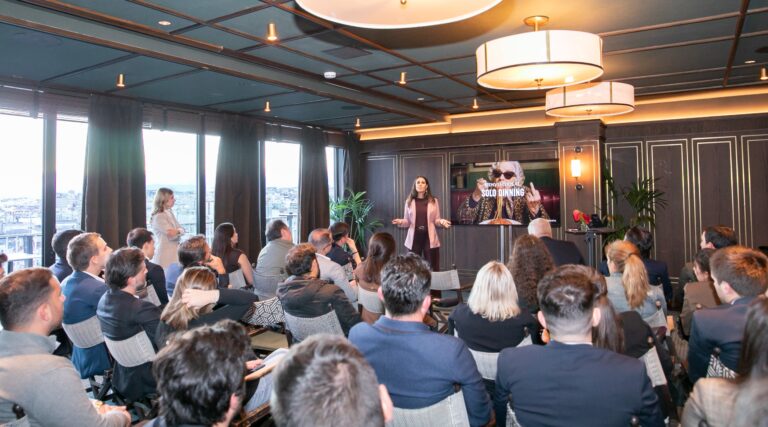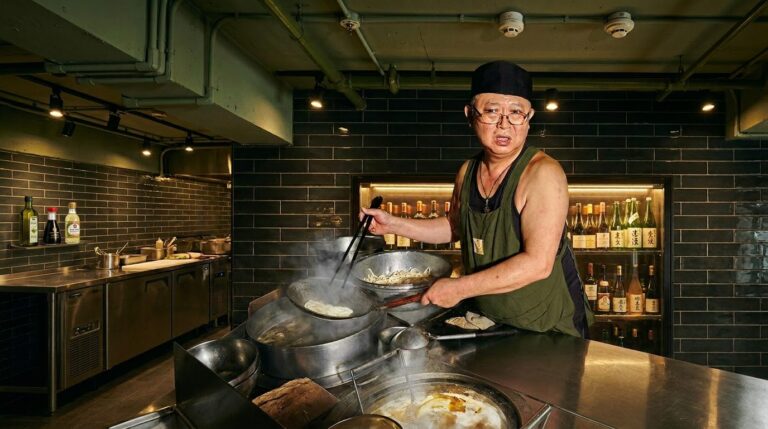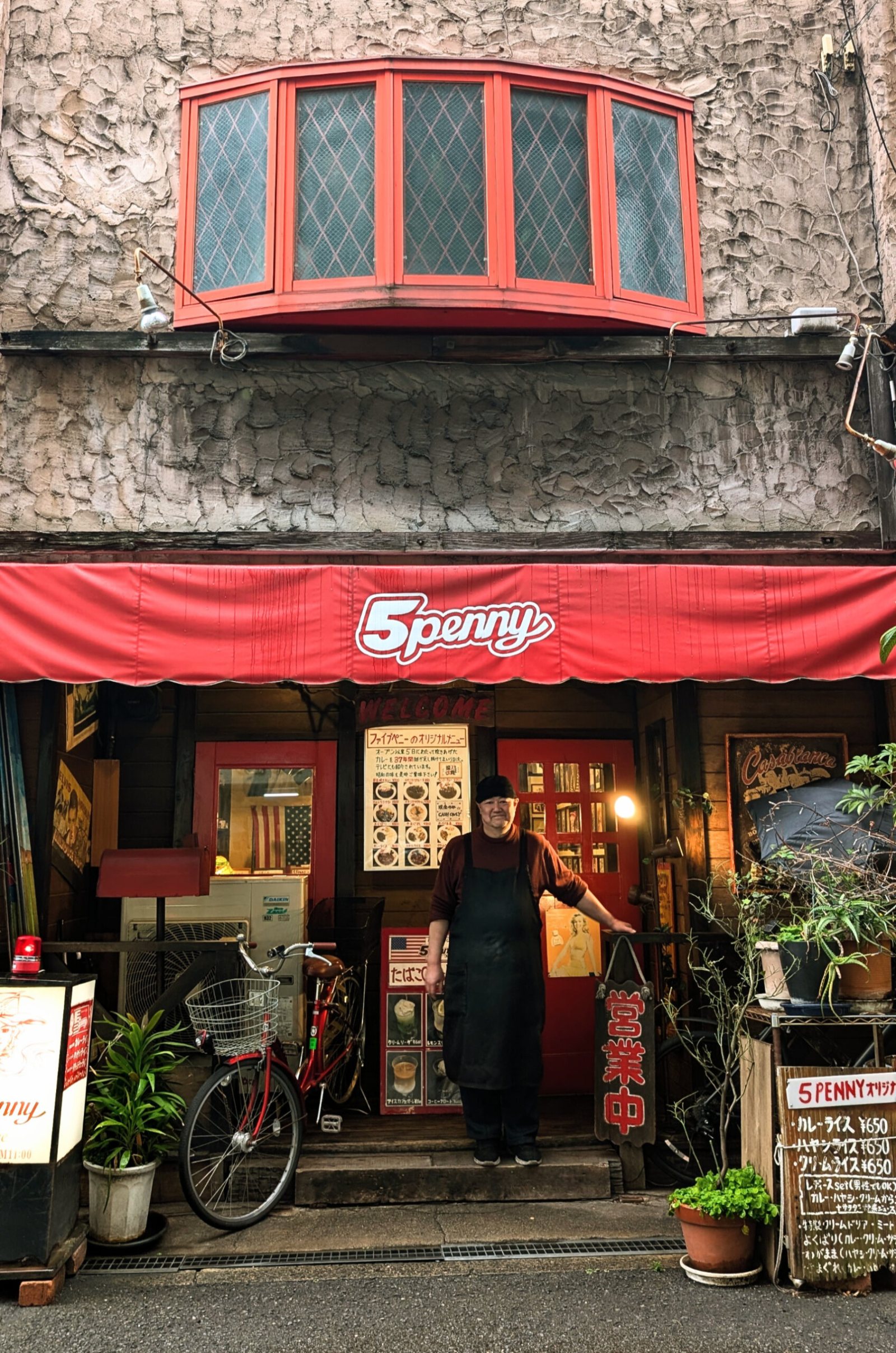
Bookings for one are up 29% in the United States, 14% in the UK and 18% in Germany. In Japan, almost one in four people eating out eats alone. Behind it is a millennial generation normalising solo dining, and a less comfortable figure: six in ten urban adults aged 25 to 40 feel lonely at least once a week. The restaurant is starting to position itself as a social platform.
01 — The data
Solo dining is growing in the markets that actually measure it
OpenTable measures bookings for a single person growing 29% in the United States over two years, 14% in the United Kingdom and 18% in Germany. In Japan, almost one in four people eating out eats alone. Three markets, three measurements, the same pattern.
This is not an urban fashion confined to a few cool neighbourhoods. It is a measured structural change. Spain does not yet have an equivalent public figure, but the demographic and cultural engine driving it elsewhere — more single-person households, more freelancers who travel — is the same one operating here.
02 — The engine
The millennial generation has normalised going out alone
A decade ago, walking into a restaurant alone carried an odd social weight, and plenty of people felt embarrassed by it. Not any more. In the 25 to 45 bracket, what used to be an uncomfortable exception has become a conscious decision: going out alone for pleasure, reading while you eat, thinking in peace, switching off from the noise of a group.
Behind the cultural shift there is a less comfortable figure: 60% of the urban generation between 25 and 40 report feeling «moderately or very» lonely at least once a week. Eating alone is not only a choice made for pleasure — it is also a response to a structural loneliness that is growing in big cities.
For this segment, the restaurant stops being a product that is sold. It becomes a social platform performing a very concrete emotional function: being somewhere warm, surrounded by life, with good food, without any obligation to talk to anybody.
03 — The companies already selling this
Urban loneliness, with a business model behind it
The most measurable case is Timeleft: an app that brings strangers together for dinner and has gone from zero to 18 million euros of annual recurring revenue in three years, with 150,000 monthly participants across two hundred cities. The product? You sign up for dinner with five strangers in your city, you go to a selected restaurant, you meet new people. That is it.
A whole format is growing around it: supper clubs, curated group dinners, dating dinners. Apps, events, pop-ups. Human connection has become a consumer category.
What this tells the restaurateur is direct: the «eating alone» table and the communal table with strangers are not two minority tables. They are two sides of the same growing segment — the customer who comes to your restaurant looking for a moment, not just a menu.
04 — What already works in design
Three responses documented around the world
A high counter facing an open kitchen
A high counter with six to twelve seats facing the kitchen turns eating alone into a show: you watch the chef, you hear the rhythm of service, you talk to the cook if you feel like it. It is the formula of the Japanese sushi counter and of omakase. In Spain it is still the exception, not the norm.
Individual seats with a view
When there is no counter and no room for one, the minimum is an individual seat with something to look at beyond the menu: a big window, a wall with art, a corridor with movement. The difference between «sitting alone» and «sitting with life going on around you» is enormous.
A communal table with strangers
The long high table where people who do not know each other sit and share a few dishes if they want to. It works in Berlin, London and New York. In Spain it still jars culturally, but it is becoming more common, and the Timeleft figures show the demand exists — it just needs somewhere designed for it to happen.
Reference case: Ichiran, Japan
The most studied example of explicit design for the solo diner is Ichiran, a ramen chain founded in Fukuoka. Each customer enters an individual booth separated by wooden panels, with a bamboo curtain facing the kitchen that only opens when the waiter hands over the bowl.
The important detail about Ichiran is not the booth itself — it is the logic behind it: the design decision starts from observing who does not come in and who does. The question for the next three years is the same for your restaurant: who is not coming in because the format does not fit them?
05 — For your restaurant
The experience has to be designed to fit
Three ideas for welcoming the solo diner properly without refurbishing the place. They cost little and are worth a lot:
- Identify the best small table you have and always give it to them. The one with the view, the light, the feeling of being in the heart of the room. Not the one at the back. That gesture alone marks the difference between «I treat you as a customer» and «I treat you as a lesser evil». And we all like a bit of people-watching.
- If you have a counter, turn it into a place to eat, not just to wait. Cutlery, a small mat, a nice glass. The counter should be an option equivalent to a table, not a car park.
- Create a shared group space. And make use of the traffic from social platforms that want to use your restaurant as a meeting point — as long as it is coherent with your concept. Let us not force it.
The next three years in Spain belong to the operator who understands the restaurant as a social platform, not as a product. And for that, the opening question is simple: when somebody comes in alone, what are you telling them without words by the table you give them? Adapting the room and the service to this customer is designed in the maturity stage.