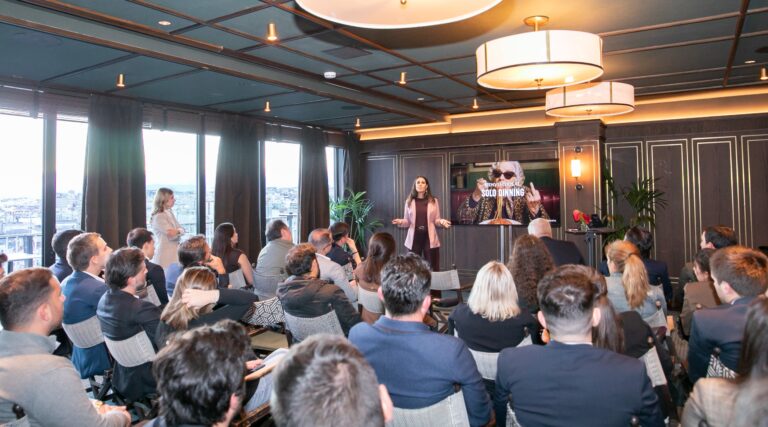
60,000 attendees. 800 exhibiting brands. 700 international speakers. There is no doubt that HIP is the biggest and best HORECA congress in Spain — and our founder Tania de Anta had the honour of hosting the Digital Marketing Summit.
It is impossible to summarise every valuable insight on marketing and restaurant management that came out of those talks and round tables between professionals — and friends — of the sector. So we have picked three of them and made our own small podium of gastronomy trends. Here they are.
1 — We came here to play
But you have to play hard. The size of your brand does not matter. If your communication is mediocre and goes unnoticed, so will your restaurant or your chain. Brands like KFC showed how they have gone a step further in their campaigns, giving users content that entertains them and that makes it worth spending time engaging with the brand. They dreamt big and were not afraid to step outside the more traditional lines of communication in order to add value. The results were epic.
But you do not need a million-euro budget to do good gastronomy marketing. Dum Dum, a newly created Madrid brand, explained that when you have few resources you have to make noise and step away from conventional communication. Quoting the great Toni Segarra, they argued that consumers have no problem with advertising — they have a problem with bad advertising.
Deleito put it in their own unique way with their communication value proposition: they do not run campaigns, they create culture. And they do not sell burgers, they create a lifestyle. They proved it with their Maison Deleito campaign, which reached millions of organic views on their social profiles with zero paid media investment. These entrepreneurs stand up for creating quality content instead of empty collaborations, and they take it as far as it needs to go.
For newborn brands, Jekes recommended analysing and choosing the three channels that work best for you and maximising them, staying coherent with your branding. We cannot cover everything. But whatever we do, let us do it with plenty of style and plenty of coherence.
2 — Authenticity is the best brand value
Empty promises no longer work. In her opening talk, Tania de Anta spoke about her theory From Love Brands to Real Brands: brands have moved from wanting to be loved to wanting to be believed. That credibility comes from being coherent in how you manage omnichannel, and from looking after what your brand projects at every single touchpoint with the consumer.
She argued that protocols and corporate rituals such as the well-worn mission-vision-values triad are dead, and that the gastronomy consumer neither cares about them nor will give them their valuable time. But foodies will give that time to brands that understand them — and she stressed the importance of analysis as the foundation of gastronomy marketing — and that build two-way relationships with them based on honesty.
La Tagliatella is an example, explaining their obsession with knowing the customer: why they come or stop coming, when they come, what they order.
This authenticity goes beyond communication. We had the honour of hearing the vision of the great Kiko Moya, who has built an experience that goes past the purely gastronomic and into eatertainment with his project Sinestesia, materialising the interest of food consumers in living new experiences.
La Martinuca shared the great lesson behind their marketing success: find your value proposition, anchor yourself to it, and never betray your brand values.
And to underline the value of courage in authenticity, Dum Dum — who fly the flag of disobedience as a brand value — explained why you have to make use of every small possible impact, with a simple but wonderful example: their restaurant closes at 15:39 instead of 15:40. That tiny detail is a brilliant way of expressing disobedience at every point of contact with the consumer. Going all in on your Brand Truth is the key to a brand that is remembered.
3 — Hospitality does not exist without collaboration
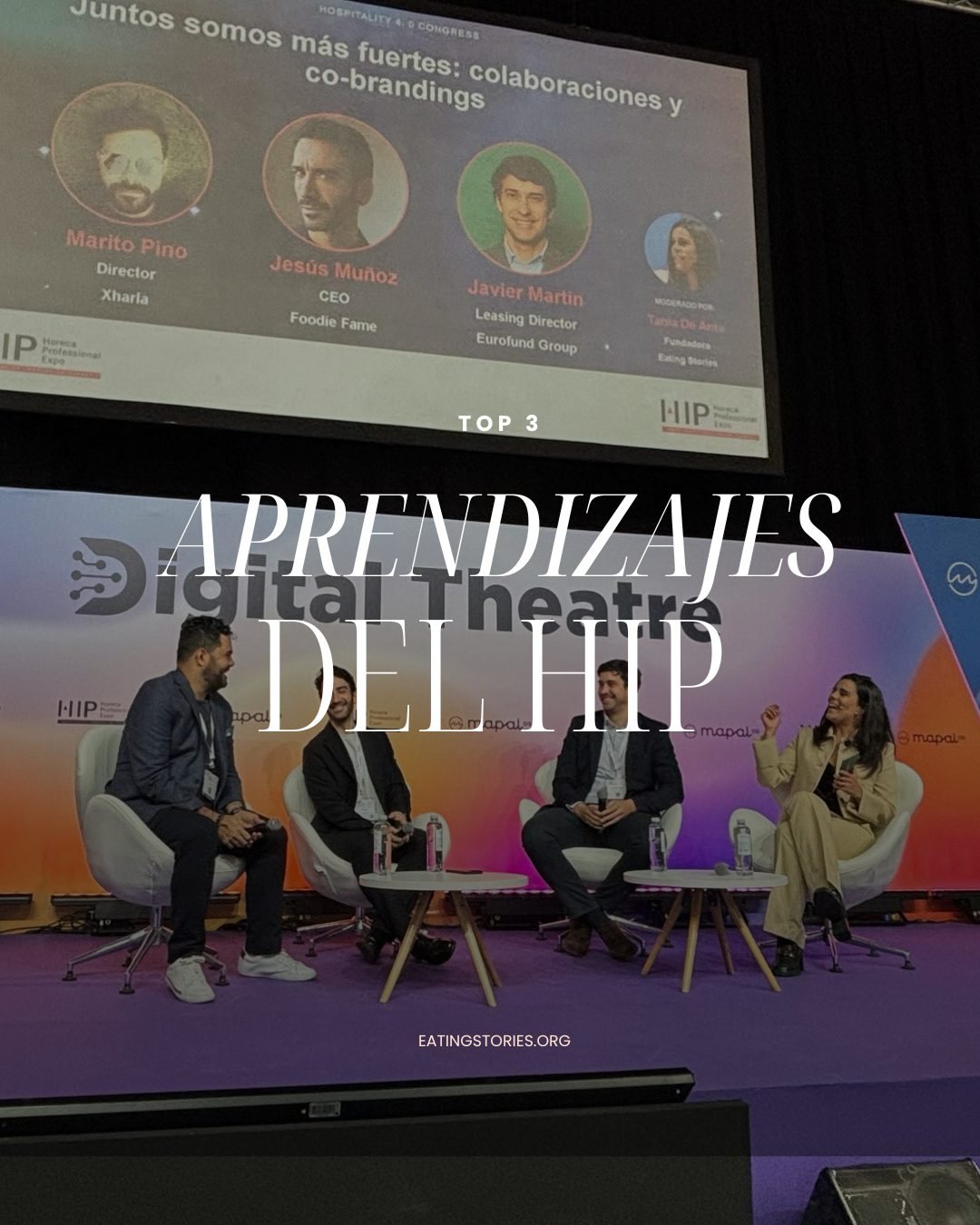
HORECA is a human sector. We depend on each other, and it is up to all of us whether the industry grows and prospers. Together we are stronger was the title we chose for the round table where we set out to prove it, and our guests were as clear about it as we were.
The first example came from Foodie Fame, who create brands in co-branding format alongside personalities and influencers. They explained how the ambassadors of their brands genuinely take part in creating them, filling them with their values, their ideas and their charm. With the good and with the bad — especially with the bad. At this innovative hospitality company they would rather have a brand ambassador who stands out even if not everybody likes them. That is why they co-founded their brand Flama with Vinicius: it lets them build a far more powerful and irreverent brand.
The second example came from the Rosi la Loca World group, who highlighted the importance of looking after your internal customer: the team. Without them, no hospitality business works. Looking after them, listening to them and making them feel part of the brand is vital. This is about people. And about hospitality. Let us never forget it.
And when we talk about allies, we could not leave out the role of communication and marketing agencies and of restaurant and brand consultancies like ourselves. Jekes spoke about how a branding agency or consultancy helps materialise the ideas you have about what your brand will be — or what you want it to become — and avoids you staying at concept stage without ever becoming a real brand. They also stressed the help needed to evolve quickly from the birth of your brand in order to adapt to your customer’s preferences. If you do not evolve, you cannot survive.
Patricio Massimino gave his best advice from the experience of opening his own restaurant as a chef: surround yourself with professionals who believe in your project, fall in love with it and complement you. Being the professionals who helped him make that dream real, his view of the new model of brand consultancy for hospitality that we work with at Eating Stories fills us with pride.
And the inevitable question: does influencer marketing work in hospitality?
Marito Pino, a world expert in influencer marketing, was the first to answer: if you do it well, yes. But he qualified it — you have to know which communities you can and want to reach with collaborations, and what that impact will look like in the long term. He emphasised the future role of artificial intelligence, which will track every association with our brand and produce that brand’s long-term positioning as a result. He argued that users no longer believe artificial collaborations, and that the only ones that work are those that genuinely add value to the end consumer.
Which made us inevitably aware of a danger: what happens if we choose our influencer marketing badly? The long-term consequences of acting without strategy will be hard on brands that do not plan, analyse and implement professional marketing policies. Of that there is no doubt. If you are looking for someone to bring this to your stage, here are my formats.